Watch before joining
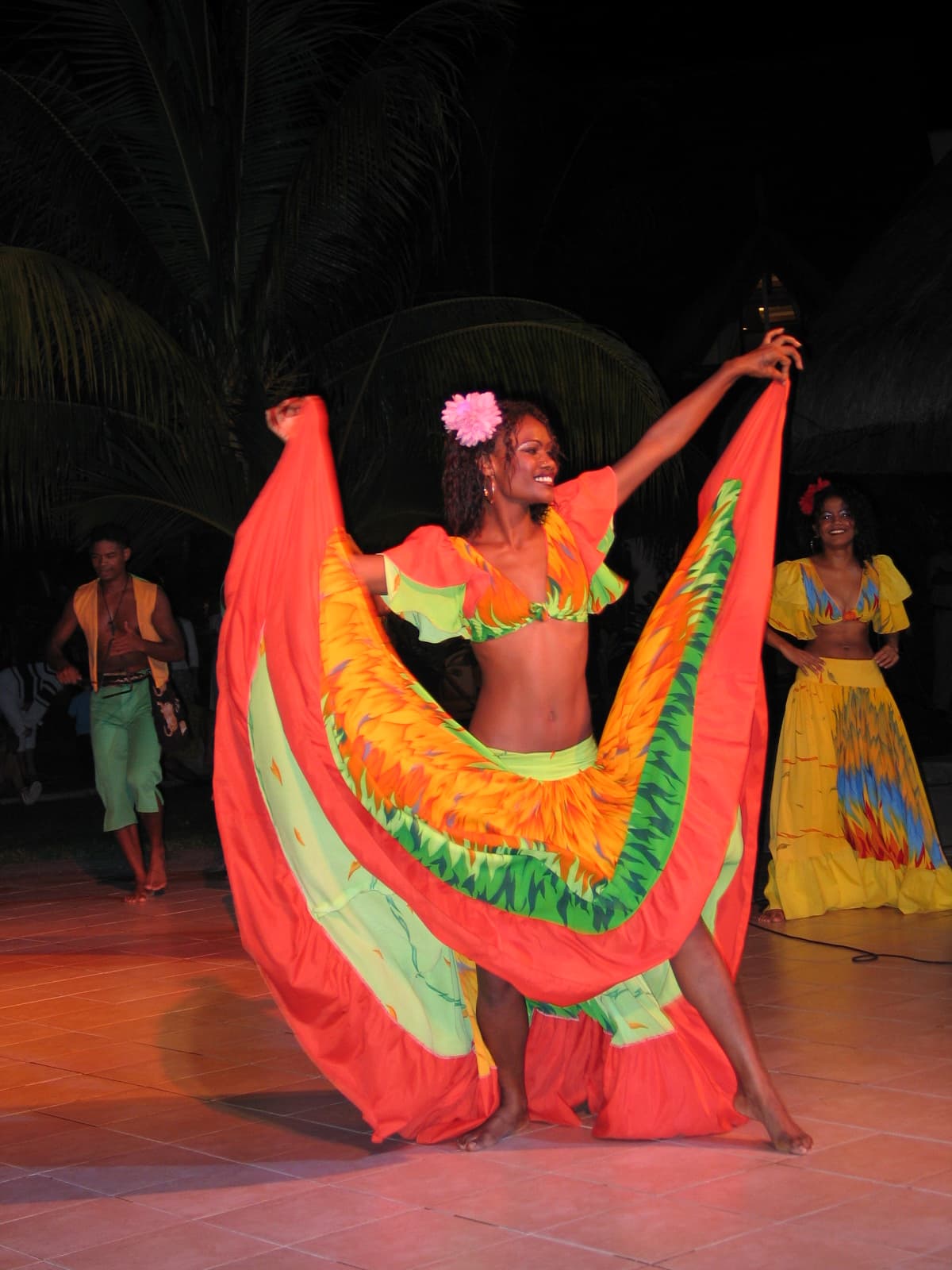
Observe the space the dancers use, the pace of the music and how participants enter and leave. In a staged show, stepping into that space may interrupt the choreography. In a class, the teacher will explain when and how to participate.
Avoid presenting a few visitor steps as mastery of the dance. An introduction can be enjoyable while remaining the beginning of a longer learning process.
Choose a lesson with clear expectations
Ask whether the session teaches movement, cultural context, or both. Check the duration, group size, language, footwear guidance and suitability for any mobility needs. These details are more useful than a vague promise that a class is for everyone.
Tell the teacher about relevant movement limitations before the session. There is no need to imitate a movement that feels uncomfortable. Ask for an alternative and rest when needed.
People are not scenery
Ask before making close portraits or filming audience participation. Do not assume that an invitation to dance includes permission to publish someone’s image. Respect a refusal without bargaining.
If you share a performance image, name the artists when the organiser provides the correct credits. Avoid captions that reduce a living cultural practice to an exotic holiday backdrop.
Look beyond the costume
Clothing is visible, but music, skill, language and relationships carry the performance. A costume alone does not establish the tradition, the historical period or the identity of the performers.
Ask the group how it describes its own presentation. This is particularly useful when a show combines several styles for a mixed audience.
Common questions
Can visitors join a sega dance?
Often a class or participatory show invites visitors, but permission depends on the event. Wait for the teacher or performers to invite you.
Sources and further reading
Traditional Mauritian SegaUNESCO Intangible Cultural Heritage
Traditional Mauritian Sega documentaryUNESCO Multimedia Archives
Practical guidance is editorial synthesis. Named sources support cultural claims; venue programmes and inventory require direct confirmation.