
Sega costumes in Mauritius and what visitors should wear
Read stage clothing in context, understand why a contemporary costume is not a historical uniform, and choose comfortable visitor clothing without buying an outfit.
Read the articleExplore music, people, traditions and practical questions through source-led articles.
Read stage clothing in context, understand why a contemporary costume is not a historical uniform, and choose comfortable visitor clothing without buying an outfit.
Read the article
Compare Mauritian sega tipik and Réunion’s maloya through their histories, shared knowledge and relationships between voices, percussion and dance.
Read the article
Compare sega tipik and seggae through voices, percussion, recurring patterns and performance context, without turning one recording into a rule for an entire tradition.
Read the article
Plan your first sega evening around the experience you want, then follow the music, watch the dancers and join on the performers’ terms.
Read the article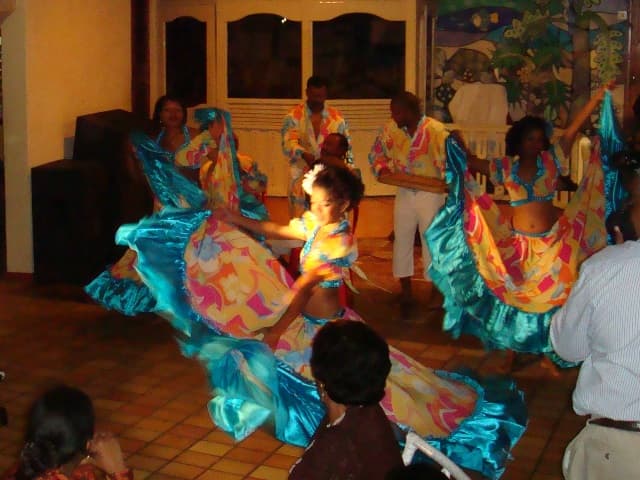
A beginner’s guide to watching, joining and following a sega teacher, with practical advice on personal space, listening and comfortable participation.
Read the article
Follow Ti Frère, Serge Lebrasse, Menwar, Kaya and Cassiya through five listening stops, with artist context and practical comparisons rather than a popularity ranking.
Read the article
Explore Marie-Josée Clency, Catherine Velienne, Josiane Cassambo-Nankoo, Rosemay Nelson and Linzy Bacbotte through recordings, family repertoire and a voice-first listening approach.
Read the article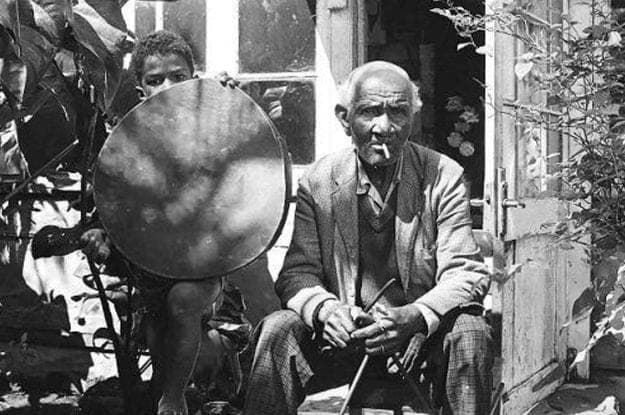
Use Ocora’s documented Ti Frère release for a focused listening exercise, following vocal delivery, percussion and storytelling while keeping recording dates separate from editions.
Read the article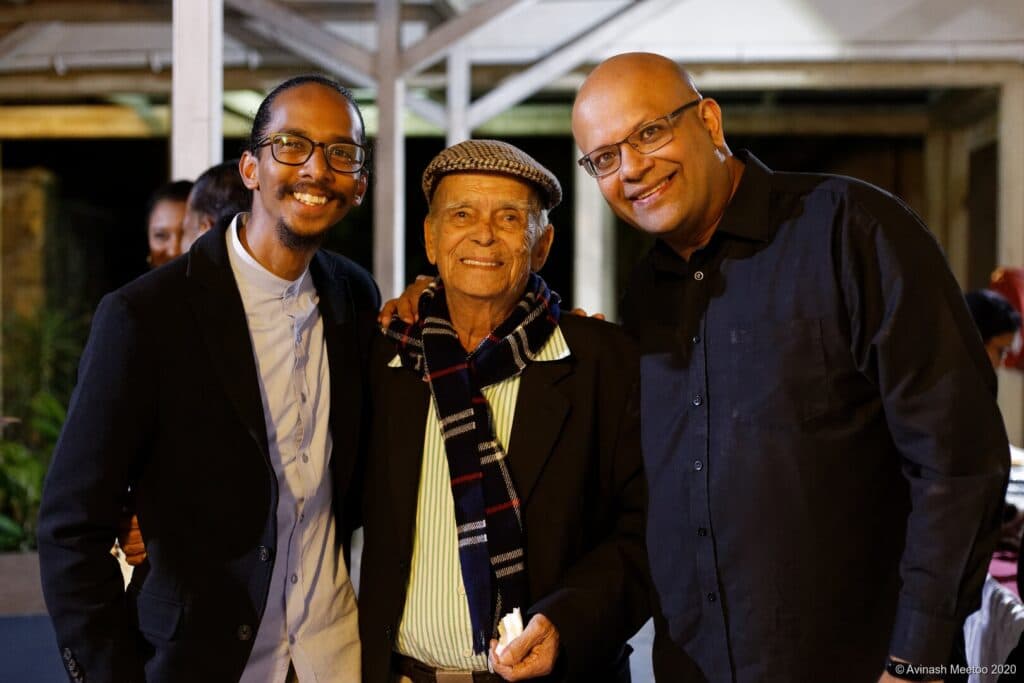
Start with Madame Eugène, dated to 1959 in Serge Lebrasse’s biography, and follow a career connecting recordings, hotel performances and sega’s wider circulation.
Read the article
Follow Menwar from the name Lélou to sagaï, exploring the recordings, handmade instruments and ravanne practice behind his musical language.
Read the article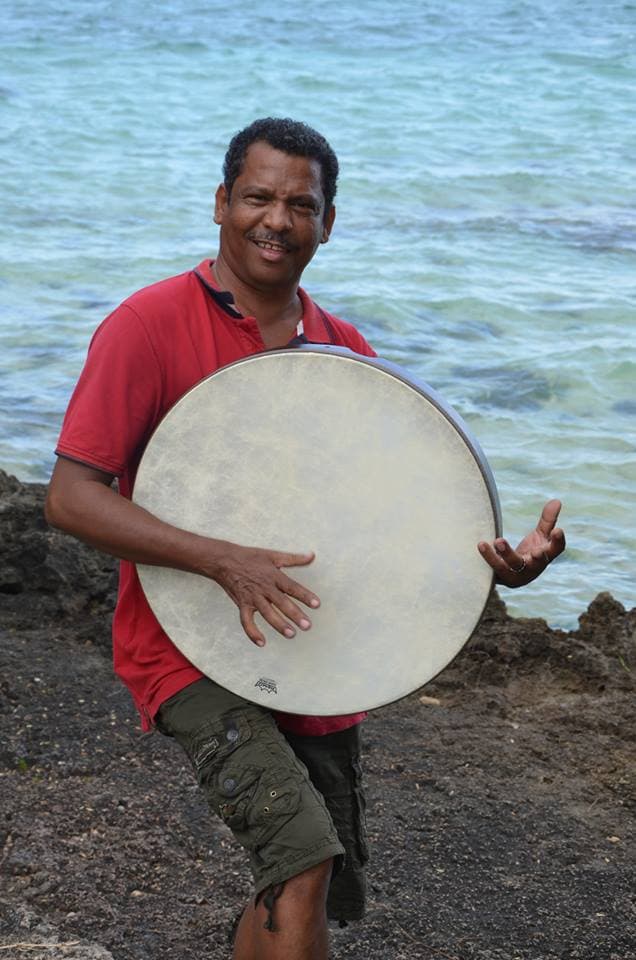
Start with Séparation and follow the collaborators, island connections and later editions that make Cassiya’s catalogue more than a solo biography.
Read the article
Use the official Kaya archive to approach Seggae Man, understand the early cassette years and distinguish restored editions from original recordings.
Read the article
Understand the different languages, occasions, instruments and forms of transmission behind sega tipik and the Bhojpuri tradition of Geet-Gawai.
Read the article
Compare three living traditions through their communities, languages, instruments and heritage records, without flattening them into one island performance.
Read the article
Understand what the ravanne is, how to make a useful learning enquiry and what to pay attention to during a first encounter with a teacher.
Read the article
Understand the construction of your own ravanne, keep useful condition notes and ask the maker the right questions about storage, cleaning and repairs.
Read the article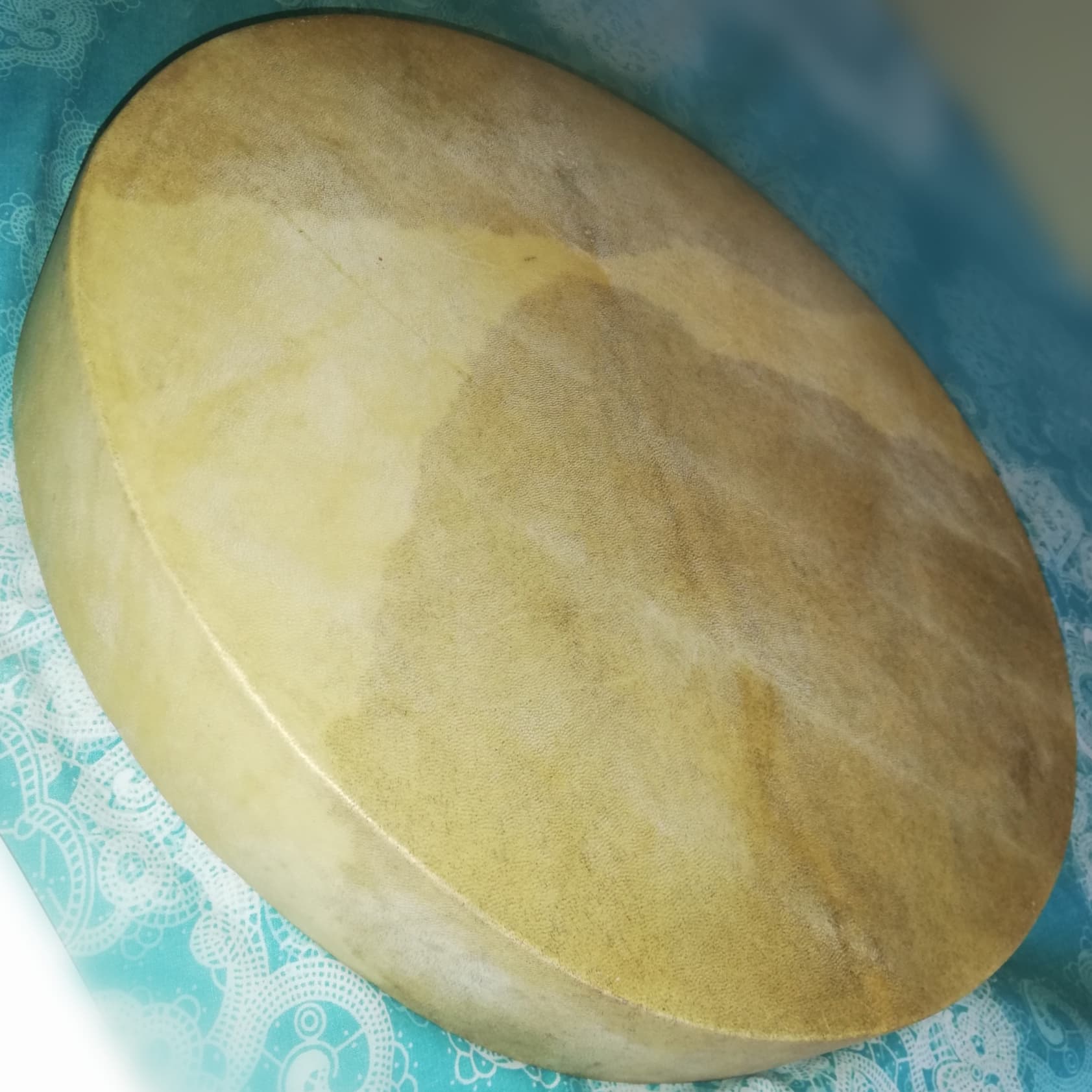
Decide what you want from a ravanne before comparing instruments, then ask practical questions about construction, comfort, support and taking it home.
Read the article
Explore useful recording sources and learn how to distinguish an original session, an album release and the edition available to hear today.
Read the article
Explore the place of observation, participation, instrument making and organised learning in passing Mauritian sega between generations.
Read the article
Explore how sega appears beyond the island through cultural events, recordings and community transmission, while preserving distinct migration histories.
Read the article