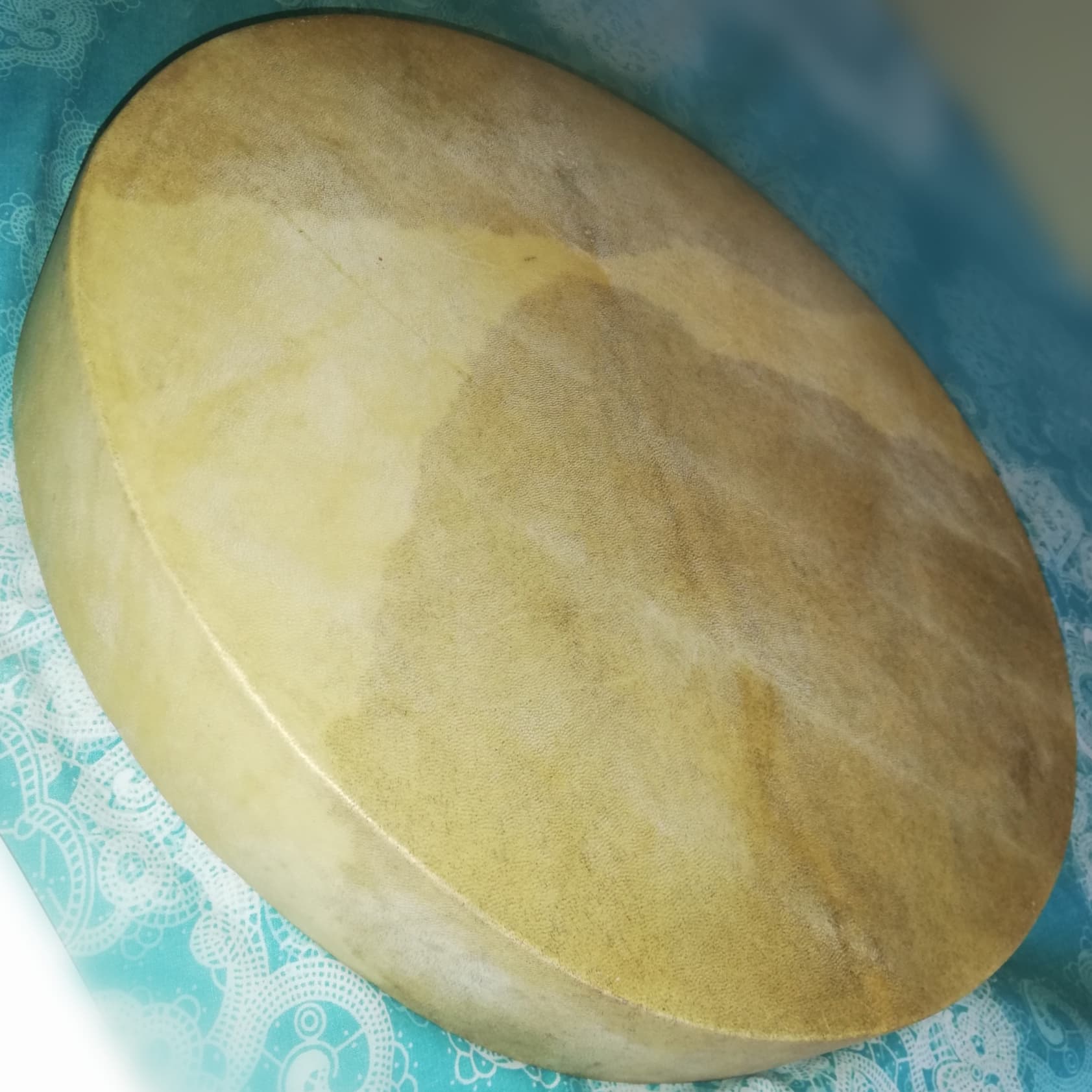
Decide what the instrument is for
Write down a simple purpose before visiting a shop or contacting a maker. You might want to learn ravanne in Mauritius, continue playing at home, give a musician a gift or keep an object connected with your visit. That purpose changes the questions worth asking. A teacher’s recommendation matters especially when the instrument will be used in an existing class or ensemble.
If buying for someone else, ask what they already play and whether they have a preferred maker, size or construction. A decorative purchase can still have real craft value, but its intended use should be clear. Ask the seller to explain whether the object is made for playing and what that means for its materials, handling and care. Appearance alone does not answer those questions.
Ask the maker to explain the construction
Traditional ravannes are hand-played frame drums, with examples made from skin stretched across a wooden frame. Ask which materials are used in the instrument you are considering and how the skin is attached. The answer should concern that actual object. General descriptions of traditional sega instruments help you begin the conversation, while the maker’s explanation supplies its particular details.
ABAIM’s social enterprise documents the production of ravann, maravann and triangle in connection with transmitting craft knowledge. The Chagos archive likewise presents drum making through named practitioners and demonstrations. These sources provide a useful perspective on purchase: the object comes from a making practice, and an explanation of its construction can be part of what you learn when acquiring it.
Try the instrument with permission and guidance
If the seller permits a demonstration, ask how the drum is supported and how they would introduce it to a beginner. Notice whether you can hold it comfortably in the position demonstrated. A learner does not need to perform impressively to ask useful questions. Describing what feels awkward gives the maker or teacher a chance to suggest a more suitable option.
Compare instruments in the same setting where possible, and let the person demonstrating explain the differences they hear and feel. A recording played through a phone is a limited basis for judging an instrument you have never held. If you are purchasing remotely, request clear views of the front, back and edge, its dimensions and a description of the actual example being offered.
Connect the purchase with the way you will learn
ABAIM documents a ravann school teaching adults and children, with an approach through which foreigners have also learned. A planned lesson can therefore inform your purchase enquiry. Ask whether the organisation has a recommendation for beginners and whether equipment is supplied for the session you are considering. Confirm the current arrangements before assuming that an instrument must be bought first.
For regular learning at home, speak to your future teacher before choosing. Ask what instrument would suit their approach and whether they can help you maintain it. This keeps the buying decision connected to actual use. If you mainly want to understand the ravanne during a short visit, a confirmed learning encounter may answer questions that a quick shop comparison cannot.
Include aftercare in the buying conversation
Ask how the maker recommends storing and cleaning the instrument, whether the player should make any adjustments, and what to do if the sound or visible condition changes. Request contact details for later questions. Written material information and care notes are especially useful if the ravanne will become a gift or travel to a different climate.
Also ask whether repairs are possible and who would assess them. The possibility of replacing a skin, inspecting a frame or obtaining advice is different from a promise of a free repair or an international service. Keep any actual agreement with the receipt. A useful purchase record identifies the instrument and what was agreed, rather than relying on an informal assumption made during a busy visit.
Use two documented starting points
ABAIM describes its social enterprise as producing traditional instruments including ravann, maravann and triangle. Its own site is a starting point for an enquiry about making, learning and the instruments currently offered. The ravann school page places the organisation in Beau Bassin. Explain whether you are seeking an instrument, a learning session or information about craft, because these are different enquiries.
Le Caudan Waterfront’s directory lists Lakaz Ravann in Port Louis for handmade ravann. Use the directory’s current contact route to ask about opening arrangements and the type of instrument you need. Neither listing establishes today’s prices, current inventory or a guaranteed workshop visit. A brief message with your intended use, dates and transport plans is more useful than asking only whether a ravanne is available.
Plan the journey before committing
Ask for the actual dimensions, material description and recommended packaging before paying. Discuss how the skin and frame should be protected and whether a suitable case is available. If you will fly or ship the instrument, confirm the carrier’s current arrangements for that object and check any applicable destination requirements for its materials. Those answers may affect which instrument you choose.
Bring the decision back to your original purpose. For a playing instrument, construction, handling, learning support and care deserve attention alongside appearance. For a keepsake, the maker’s identity and the object’s real story can be part of its value. In either case, keep the receipt and material information so that the instrument remains connected to the person or organisation from whom you acquired it.
Common questions
How do I know whether a ravanne is intended for playing?
Ask the maker or seller to explain its intended use, construction and care, and request a demonstration where available. If it is for a class or ensemble, consult the teacher. A decorative appearance or the word traditional alone does not establish suitability for your purpose.
Should a beginner buy before taking a lesson?
Confirm the lesson arrangements first. Ask whether equipment is supplied and whether the teacher recommends a particular instrument. ABAIM documents ravann teaching, but current sessions and equipment arrangements need direct confirmation.
Where are the documented buying leads?
ABAIM documents traditional instrument production and a ravann school in Beau Bassin. Le Caudan Waterfront lists Lakaz Ravann in Port Louis for handmade ravann. Contact the organisations through their current official information before planning around stock or opening times.
What should I keep with the receipt?
Retain the maker’s details, material description, dimensions, care advice and any actual repair or delivery agreement. If travelling, keep the information needed to describe the instrument accurately to the carrier or relevant destination authority.
Sources and further reading
For transmission, the social enterprise ABAIM
The ravann School ABAIM
Lakaz Ravann Le Caudan Waterfront
Sega Tipik Morisien inventory entry National Heritage Fund, Mauritius
Sega instruments, CHAGOS Cultural Heritage Across Generations University of Edinburgh