Begin with the relationship between musicians
Instead of trying to identify every beat immediately, follow a short passage several times. First notice the lead voice. Then notice the response. Finally follow one percussion sound while allowing the others to continue around it. This is a listening exercise, not a fixed rule for how every ensemble plays.
A concert recording captures a particular group at a particular moment. It should not become a universal template. Tempos, vocal approaches, repertoire and performance settings can vary.
Three instruments, many possibilities
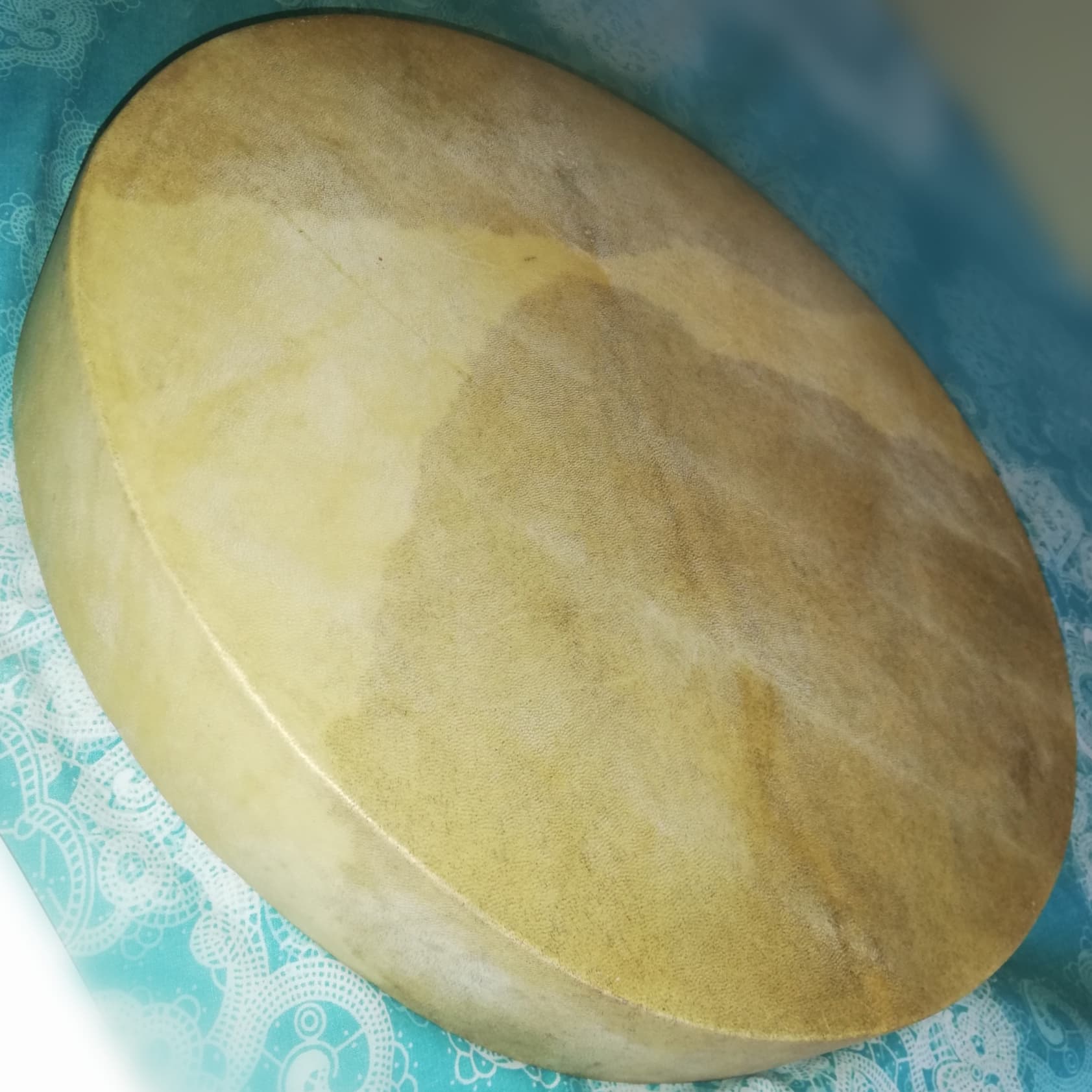
The broad drum sound of the ravanne, the moving texture of the maravanne and the metallic accents of the triangle offer a useful first way into the ensemble. Visit the instrument guide for their construction and the distinctions between an instrument’s name and the role a player gives it.
A visual performance can make ensemble relationships easier to understand than an isolated audio excerpt. Watch where a singer turns, when other voices answer and how dancers respond. Avoid assuming that whoever stands at the front is the only person shaping the music.
Learn with practitioners
For a visitor, a respectful introduction starts with listening. At a participatory event, wait for an invitation before entering the performance space. At a class, ask the teacher how their approach relates to their own ensemble and community.
If you want to document a session, agree what you may record, whether you may publish it and how the musicians wish to be credited. Buying a ticket is not a licence to reuse a song or a filmed performance.
What the UNESCO record tells you
Traditional Mauritian Sega was inscribed on UNESCO’s Representative List in 2014. The record identifies a living performing art and its transmission. It does not certify individual hotels, ticket sellers or commercial shows.
Our practical recommendation is to choose a performance whose musicians and format are described clearly. Ask whether the event includes a live traditional ensemble, a modern band, recorded accompaniment, or a mixture.
Common questions
What does sega tipik mean?
The term refers to traditional Mauritian sega, also described in heritage records as Sega Tradisionel or Sega Ravann.
Does UNESCO approve sega shows?
The inscription concerns the cultural practice. It is not an approval scheme for individual shows.
Sources and further reading
Traditional Mauritian SegaUNESCO Intangible Cultural Heritage
Sega Tipik nomination and community participationNational Heritage Fund of Mauritius
Traditional Mauritian Sega documentaryUNESCO Multimedia Archives
Practical guidance is editorial synthesis. Named sources support cultural claims; venue programmes and inventory require direct confirmation.