Keep the group and the lead voice in view
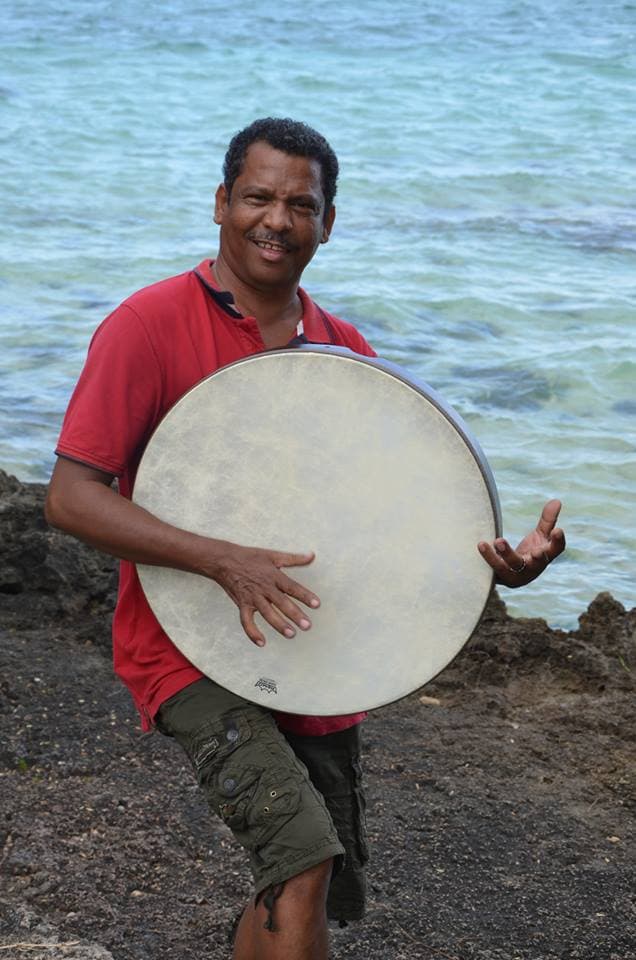
Cassiya grew from musical relationships in Cassis. The group’s representative traces Désiré François’s beginnings there, including early guitar and ravanne playing. This background provides a place and a musical setting for the voice listeners associate with Cassiya. It also reminds us that a singer’s history can involve instrumental practice and relationships formed before a particular album was released.
The name on a recording still matters. A release credited to Cassiya identifies a group, while a release presented under Désiré François’s name may have another project context. Read the actual credit rather than assigning every familiar voice to the same formation. This is especially useful when following songs through compilations, anniversary projects and later recordings, where a repertoire can return with different packaging and collaborators.
Begin with Séparation in 1993
The Piros catalogue identifies the early album under the fuller title Séparation (Zenfants perdi simé) and gives 1993 as its release year. The artist press account places its making within a collaboration that included Gérard Louis and Alain Ramanisum. It describes the adoption of the Cassiya name at this stage and the development of a more professional group.
These details give a first listening session a concrete foundation. Keep the album title, year and credited group together. The record is an entry into a particular collaboration, rather than a container for anonymous examples of modern sega. If a current platform shows a different edition date, use the catalogue information to distinguish that edition from the early album’s documented release year.
Hear collaboration as part of the repertoire
The press account’s inclusion of Gérard Louis and Alain Ramanisum is significant because it places other musicians within the making of Séparation. Writing, arranging, singing and instrumental playing all contribute to a recorded group identity. Even when a listener first recognises the lead singer, the arrangement and the other performances remain part of the work being heard.
One practical listening exercise is to hear a selection once for the voice, then once for the ensemble around it. Notice which part attracts your attention and use the release credits to explore the people involved. The exercise does not require you to identify an instrument or performer without evidence. A sound you cannot yet name can become a question to investigate through the catalogue, rather than a reason to invent a credit.
Follow the early island connections
The artist press account records a performance in Rodrigues in 1993 and a visit to Réunion in 1994. These neighbouring-island connections belong near the beginning of the group’s public story. They show an audience developing through regional circulation before the wider touring associated with Cassiya’s later reputation.
This context also helps keep geography and tradition distinct. A Mauritian group performing in Rodrigues does not make its repertoire sega tambour of Rodrigues. A performance location describes where an encounter takes place; the music’s traditions, performers and histories require their own description. The island traditions guide provides that wider comparison, while the Cassiya account follows a particular group through its documented journeys.
Use Civilisation as another listening doorway
Civilisation is the Cassiya selection in this guide’s short listening route. The artist page provides the credited recording and a way to continue beyond the excerpt. Use it as a doorway into the repertoire, then compare its release context with the earlier Séparation catalogue entry. The selection is editorial, rather than a claim that a particular song is the group’s most streamed or most important work.
After hearing the full recording, return to the part that interested you most. It might be the singing, an instrumental contribution or a point where the ensemble changes your impression of the voice. Keep that personal observation separate from claims about what a song’s words mean. If you do not understand the sung language, a reliable explanation can add another layer to the listening encounter.
Follow songs into later release contexts
Later artist material for Nou Zistwar / Back in the Days brings titles including Rev nou ancetre, Narye pa efface and Ici kot nu ete into another release context. These named songs help listeners follow a repertoire across time. A new presentation can introduce older work to a new audience, revisit material for existing listeners or place songs beside a different selection.
The title alone does not tell you whether two versions use the same performance. Check the named release and its credits before treating them as identical recordings. An album date, an upload date and the date of the underlying performance answer different questions. With Cassiya, this attention makes it possible to explore returning repertoire while keeping the early group history and later projects connected but distinguishable.
Build a useful route through the catalogue
Begin with the Séparation catalogue entry to establish the group’s early album context. Hear the credited Civilisation recording from the artist profile, then follow the later Nou Zistwar / Back in the Days material. This is a suggested sequence for exploration, not a complete discography. Each stop gives you a named release or recording from which to continue.
Keep a short list of the people and projects that interest you. A collaborator’s name can be as productive a next step as another song title. For wider comparison, the listening room places Cassiya beside sega tipik singers, Menwar’s ravanne-centred work and Kaya’s seggae. Their presence in the same guide allows connections to be explored while preserving the different histories that make each worth hearing.
Common questions
Is Cassiya simply another name for Désiré François?
Cassiya is a group whose history is closely associated with Désiré François’s voice and with other writers, arrangers and musicians. Read each release’s actual artist credit to distinguish a Cassiya recording from a later project presented under a different name.
When was Séparation released?
The Piros catalogue gives 1993 for Séparation (Zenfants perdi simé). That year identifies the documented early album. A later streaming or reissue date should not automatically replace it as the date of the original release.
Which collaborators appear in the account of Séparation?
The artist press account places the album’s making within a collaboration that included Gérard Louis and Alain Ramanisum. Their presence is one reason to explore Cassiya through its group relationships, rather than through a singer-only account.
Where should a new listener start?
Use Séparation for an early album reference and the credited Civilisation recording on the Cassiya artist page for an immediate listening entry. The later Nou Zistwar / Back in the Days material provides another route into songs revisited in a different release context.
Sources and further reading
Cassiya Be Wild Production
Désiré François & Cassiya, Nou Zistwar / Back in the Days iWelcom artist press material
Séparation (Zenfants perdi simé) Qobuz / Piros catalogue