Listen for texture
In a full ensemble, separate the rattling texture from the drum’s more defined attacks. Watch a filmed performance and notice the direction and timing of the player’s movements. Repeat a short passage with your attention on this one instrument.
Do not mistake a visually simple movement for an unskilled role. Maintaining a consistent relationship with voices and percussion takes attention and practice.
Choose a playable instrument
Ask the maker about materials, filling, dimensions and durability. Hold the instrument, if permitted, and check that the edges are comfortable and the enclosure is secure. If you are buying for a child, discuss age suitability and small-part hazards with the seller.
A decorative object may resemble a full-size instrument without being intended for regular playing. Ask explicitly which you are purchasing and request care instructions.
Learn within an ensemble
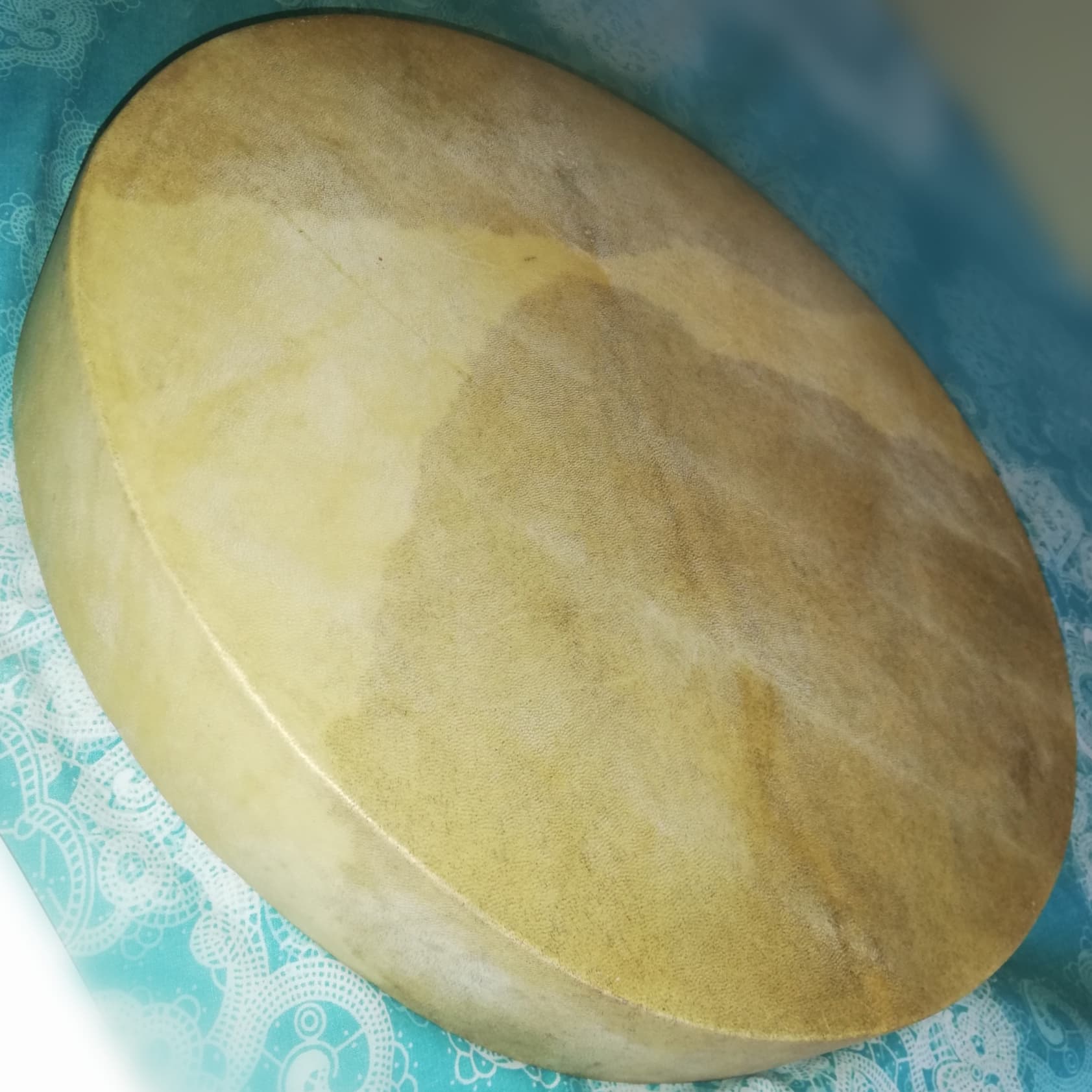
An isolated sound demonstration helps identify the instrument; ensemble practice helps you understand its musical role. Ask a teacher to show how their pattern relates to the singer and ravanne player.
Record a lesson only with permission. Keep your own practice notes separate from claims about how every sega ensemble should play.
Sources and further reading
Sega Tipik nomination and community participationNational Heritage Fund of Mauritius
Sega instrumentsUniversity of Edinburgh, CHAGOS archive
Practical guidance is editorial synthesis. Named sources support cultural claims; venue programmes and inventory require direct confirmation.