Keep the community visible
“Chagos” is not a decorative genre label. Name Chagossian practitioners and retain the context given by the recording or archive. A collection made with community involvement offers a different kind of introduction from an anonymous tourist compilation.
The University of Edinburgh’s CHAGOS cultural heritage archive is a useful starting point. Its instrument material includes explanations in English and Kreol, letting the terms remain connected to the practice.
Music, memory and displacement
The safeguarding literature discusses the challenges of transmitting culture after displacement. That is a reason to approach the music with attention, not to present the community only through loss. Performers are active makers and transmitters of knowledge.
Follow the archive’s descriptions of recordings and the research’s account of safeguarding. Do not turn a song into historical testimony without checking its own context and the explanation of its singer.
Listening and sharing responsibly
Link to an archive record so listeners can see the creator and accompanying information. Downloading a file that is publicly viewable does not necessarily give you permission to republish it, remix it or use it as a commercial soundtrack.
If you are organising a cultural session, ask the performers how they want the event described. Agree recording permissions, credits and payment directly. This guide does not arrange community visits or imply that private gatherings are visitor attractions.
A repertoire larger than nostalgia
Chagossian Creole carries songs about work, relationships, joy, hardship and protest. The University of Edinburgh’s community archive also describes the use of humour and double meanings. A song can entertain its listeners while communicating criticism that would sound different in ordinary speech. An energetic performance is therefore not evidence that its subject is light-hearted.
Displacement added further songs of remembered places and separation. UNESCO’s account connects newer lyrics with the wish to keep younger generations connected to the islands. Those themes sit within a wider repertoire; they should not make every Chagossian song a story only about exile.
Knowledge demonstrated by practitioners
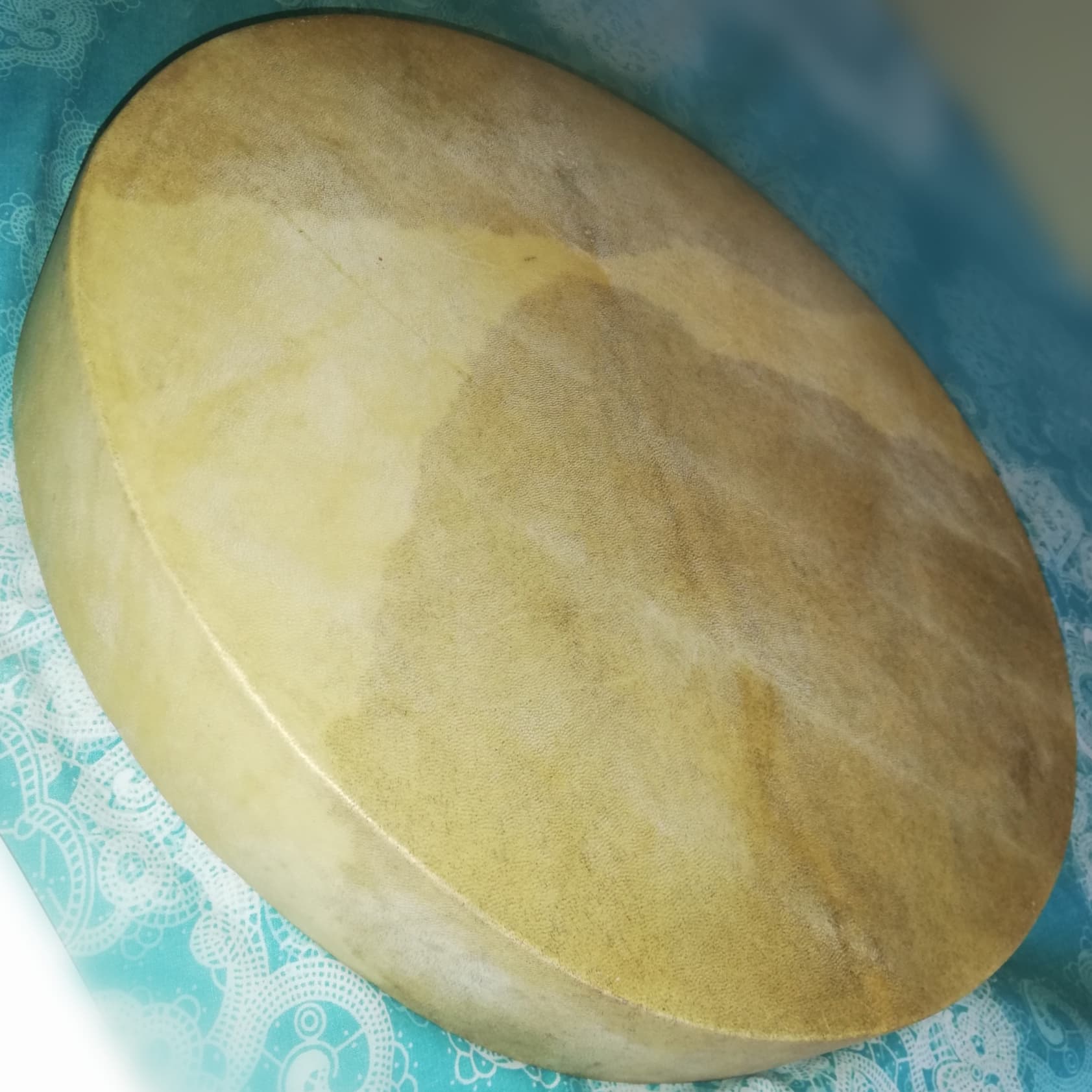
The Edinburgh archive includes France and Joseph Bertrand explaining tambour making and comparing Chagossian and Mauritian ways of playing. Another film shows Joseph teaching children. The archive documents a drum rhythm in 6/8 and instruments including triang and maravann. These descriptions belong to the Chagossian examples being presented; a shared instrument name does not mean every island uses an identical technique.
The demonstrations were recorded at Tilgate Park in Crawley. Cultural transmission is thus visible outside the archipelago and outside Mauritius, in a diaspora setting where a familiar object becomes a means of teaching another generation.
What safeguarding can involve
Mauritius’s periodic safeguarding report records two Tambour Chagos schools opening in October 2021, with twenty learners at that reporting stage. It also describes instruments supplied to schools and a youth group, consultation workshops at Pointe aux Sables, and participation by Chagossian artists in national events.
These are dated examples of measures taken, not a current class timetable. They show what heritage policy can mean in practical terms: places to learn, equipment to play, support for bearers and opportunities to perform. The report also records how pandemic restrictions interrupted gatherings and implementation.
Sources and further reading
Sega tambour ChagosUNESCO Intangible Cultural Heritage
Sega Tambour Chagos documentaryUNESCO Multimedia Archives
Sega instrumentsUniversity of Edinburgh, CHAGOS archive
Safeguarding sega: transmission, inscription, and appropriation of Chagossian intangible cultural heritageLaura Jeffery and Rebecca Rotter, International Journal of Heritage Studies
Song, CHAGOS Cultural Heritage Across GenerationsUniversity of Edinburgh
Sega instruments, CHAGOS Cultural Heritage Across GenerationsUniversity of Edinburgh
Sega tambour Chagos safeguarding reportMauritius / UNESCO
Practical guidance is editorial synthesis. Named sources support cultural claims; venue programmes and inventory require direct confirmation.